
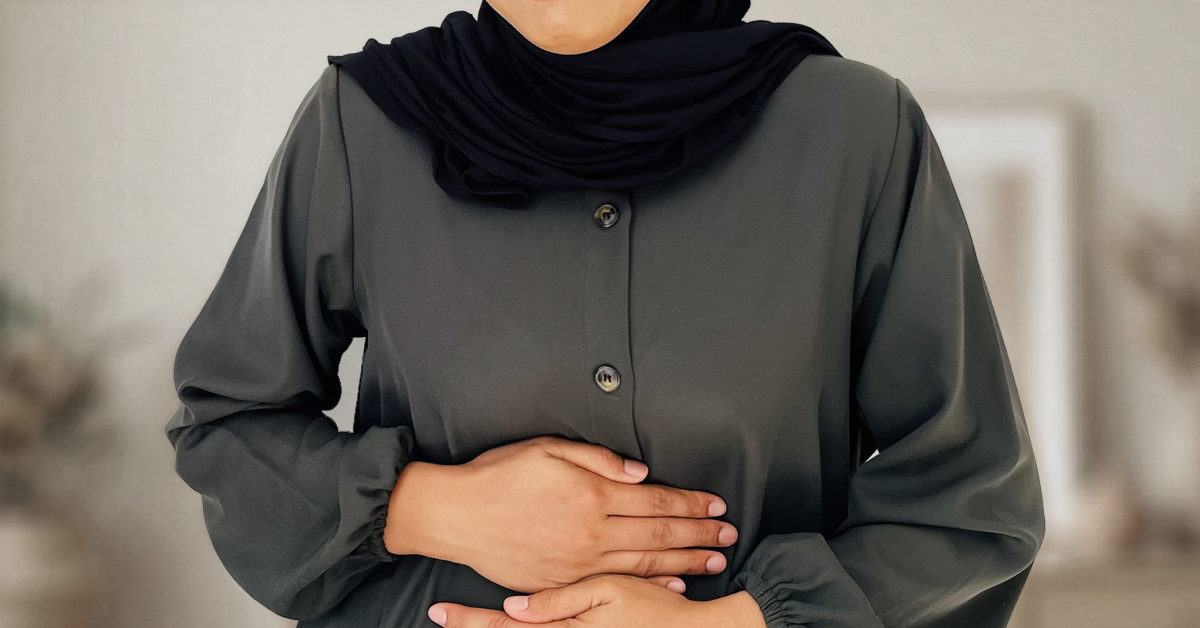
Endometriosis is a common condition believed to affect around 1 in 10 women of reproductive age worldwide, including in Saudi Arabia. Yet for many women, it can remain undiagnosed for years. Symptoms are often subtle, misunderstood, or dismissed as “normal” period pain, which is one reason the condition isn’t always recognised early. And when questions about fertility arise, it can naturally feel even more emotional and uncertain.
Medical experts recognise that endometriosis may be linked to fertility challenges for some women, while also emphasising that many women with endometriosis conceive naturally. There isn’t one single fertility outcome that applies to everyone – experiences vary depending on factors like the severity of the condition, age, and overall reproductive health.
Understanding what endometriosis is, how it may affect fertility, and what options may be available can help replace uncertainty with clarity. This article explores the condition, its potential impact on fertility, and the diagnostic and care pathways that may be considered, so you can feel informed, supported and confident as you think about your next steps.
Endometriosis is a condition in which tissue similar to the lining of the uterus (the endometrium) grows outside the womb. Like the uterine lining, this tissue responds to hormonal changes during the menstrual cycle which can sometimes lead to inflammation, irritation or the formation of scar tissue.
The experience of endometriosis varies widely. For some women, endometriosis has little impact on day-to-day life or fertility, while for others, it may contribute to difficulties conceiving. Many women with endometriosis conceive naturally, while others benefit from further assessment or support. Understanding how endometriosis can affect the reproductive system helps explain why fertility outcomes differ so much from one woman to the next.
Symptoms of endometriosis can vary greatly, which is one reason the condition is not always identified straight away. While pain is commonly associated with endometriosis, it may be mild, intermittent, or change over time.
Some women may notice:
Having one or more of these symptoms doesn’t automatically mean endometriosis is present. Every body is different, and it is usually the overall pattern of symptoms, rather than any single sign, that guides further assessment.
An assessment usually begins with a detailed discussion of symptoms and medical history, followed by appropriate investigations if needed. Investigations can include an examination, blood tests and ultrasound scans. Sometimes keyhole laparoscopy surgery is used for diagnosis and treatment. Gaining clarity about what is happening can be reassuring and empowering, even if the diagnostic process takes time.
One of the most common questions is how endometriosis might affect fertility. This is understandable and important to explore.
Endometriosis can influence fertility in a number of ways, although the impact varies from person to person. In some cases, inflammation may affect how eggs develop or how supportive the pelvic environment is for conception. Scar tissue can occasionally influence the movement of eggs or sperm, and for some women, hormonal patterns associated with endometriosis may also play a part.
Medical organisations recognise endometriosis as a common condition that can affect fertility in different ways, while also emphasising that many women conceive naturally. Understanding this broader context helps frame endometriosis as a condition that can be explored and managed, rather than something that automatically limits the possibility of conception.
Fertility care is never one-size-fits-all. Each person’s situation is unique, and options are considered in the context of individual circumstances, medical history, and personal goals. For some women, this may involve reassurance, monitoring, or guidance over time. For others, additional investigations or fertility support may be helpful. What matters most is that decisions are shaped around you and your specific circumstances.
Learning more about Female Fertility care can help place these options into perspective. Gaining knowledge does not mean committing to treatment. Often, simply understanding what options exist can bring a sense of calm, allowing decisions to be made thoughtfully and at a pace that feels right.
At Child Fertility, we believe in information-led guidance that supports individuals and couples to feel informed, and never rushed.
For some women, endometriosis can make conception more challenging. In these cases, treatments may be considered to support fertility. Common approaches include laparoscopic surgery to remove endometriotic tissue or adhesions, and assisted reproductive techniques such as IVF. Hormonal therapies can help manage symptoms but are usually not used alone to improve fertility. The choice of treatment depends on individual circumstances, including the severity of the condition, age, and overall reproductive health. Understanding your options can help you feel more informed and confident in planning next steps.
There may come a point when questions begin to outweigh reassurance, or when uncertainty starts to feel heavier than before. Reaching out for guidance doesn’t mean committing to a particular path, as it simply opens the door to clarity, understanding, and conversation.
You’re welcome to get in touch whenever you feel ready. A confidential discussion can help you make sense of your situation and explore your options in a calm, considered way, with no pressure or obligation.
2022 Rola is Proudly Powered by HiBootstrap