

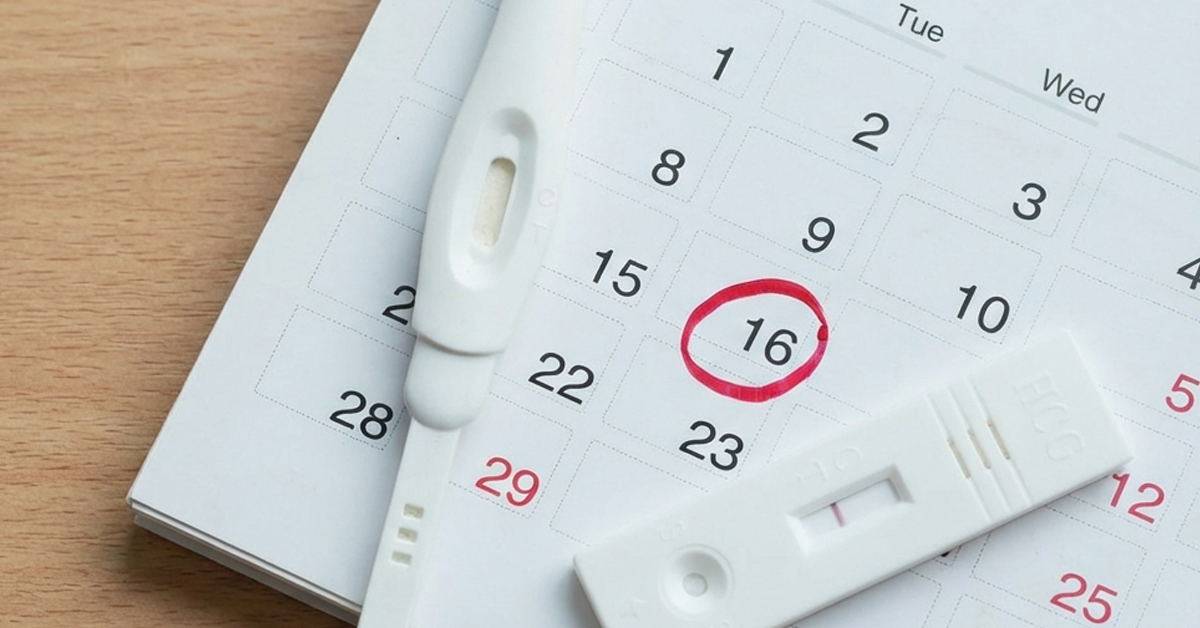
You may be having regular periods and feel healthy overall, yet notice that your cycle feels inconsistent, or that conception hasn’t happened yet. Many women sense when something isn’t quite right with their cycle, even if there’s no obvious concern to point to.
Understanding ovulation problems is about learning how ovulation works, recognising common signs that it may not be happening regularly, and knowing when it’s worth seeking guidance.
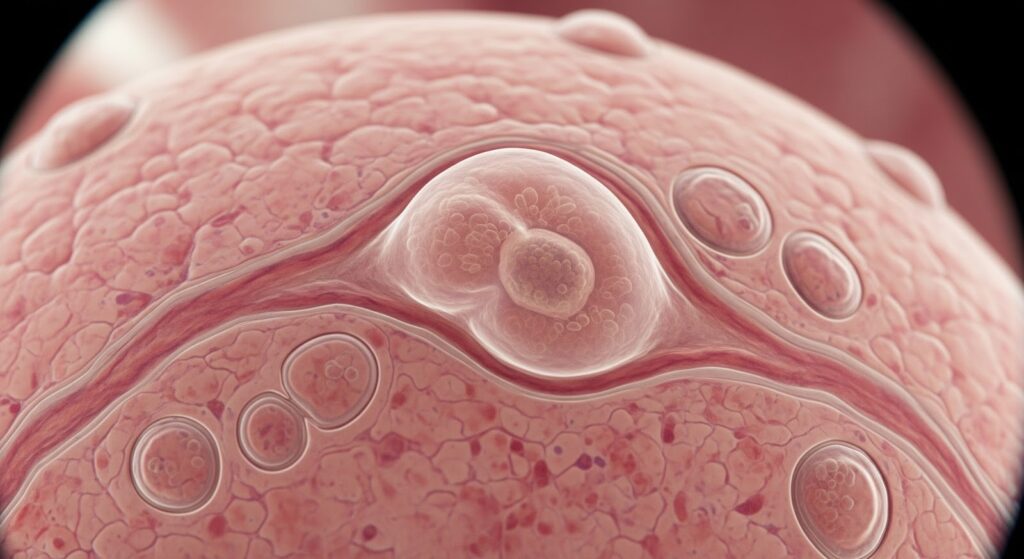
Ovulation is when an ovary releases an egg. For pregnancy to happen, the egg needs to be released and fertilised within a short window.
Ovulation is important to fertility. Even with regular periods, tracking ovulation can provide useful insights and help guide your family planning. For more on how ovulation relates to overall reproductive health, you can visit our Female Fertility page.
Ovulatory problems, sometimes called anovulation or irregular ovulation, happen when ovulation occurs infrequently or not at all. These variations exist on a spectrum, and are more common than many people realise.
Global reproductive health authorities, including the FIGO (International Federation of Gynecology and Obstetrics) recognise ovulatory disorders as a common cause of fertility challenges. The good news? Once identified, these challenges are often manageable with the right guidance.

One of the most common signs of irregular ovulation is an inconsistent menstrual cycle.
This may look like:
When periods are irregular or absent, it usually means ovulation isn’t happening consistently. This can make it trickier to predict the best time to conceive, but understanding your cycle can help you feel more informed and supported.
Some women have cycles that appear regular on the calendar, yet ovulation timing still varies from month to month.
This can happen when:
For women trying to conceive naturally, this pattern can make planning slightly unpredictable, despite regular periods.

Many women expect certain physical signs related to ovulation. When these signs are absent or inconsistent, it can raise questions.
Commonly expected signs include:
Not noticing these signs doesn’t automatically mean ovulation is not happening as bodies vary widely. What matters is whether patterns are consistent over time.
Ovulation is closely tied to hormone balance. When hormones fluctuate or become imbalanced, ovulation can be affected.
Some women may notice symptoms such as:
While these symptoms don’t provide a diagnosis on their own, they help build a clearer picture of what may be happening hormonally.
Seeing signs of ovulation problems doesn’t mean something is seriously wrong, as symptoms are signals, and not conclusions.
What they can mean:
What they do not mean:

It may be time to seek guidance if:
Seeking understanding often begins with learning more about your cycle and confirming whether ovulation is taking place.
If you’d like to talk about what you’re noticing, don’t hesitate to reach out to us for a confidential conversation.

Irregularities in your cycle can still be completely normal and healthy. Ovulation patterns vary, and many women experience changes at different stages of their life.
At CHILD Fertility, we support women who want to understand their bodies better, without rushing into conclusions or interventions. When knowledge replaces guesswork, confidence tends to follow.