

An IVF journey involves hope, planning, and many important decisions. When an IVF cycle does not result in pregnancy, it can bring a range of emotions, from disappointment and sadness to uncertainty about the next steps. Taking time to process these feelings is an important part of the journey.
The reality is more reassuring than many couples realise. One unsuccessful IVF cycle does not mean future treatment will fail. In fact, every cycle provides your fertility specialist with valuable information that can help shape a more personalised treatment plan moving forward.
For couples, the most important next step is not rushing into another cycle. It’s understanding what happened, asking the right questions, and deciding on the best way forward together.
IVF is one of the most effective fertility treatments available, but no treatment can guarantee pregnancy. Success depends on a series of complex biological events, from healthy egg and sperm meeting, to embryo development, implantation and ongoing pregnancy.
Some factors that can affect IVF outcomes include:
Embryo quality is one of the most important factors influencing IVF success. While embryologists carefully assess embryos before transfer, appearance alone cannot reveal whether an embryo has the correct number of chromosomes.
Even embryos that look excellent under the microscope can have chromosome abnormalities (aneuploidy), which may prevent implantation or lead to an early miscarriage. The likelihood of chromosome abnormalities increases with maternal age because egg quality naturally declines over time.
Following an unsuccessful cycle, your fertility specialist will review how the embryos developed, their quality and grading, and whether there are any patterns that may help explain the outcome. In selected circumstances, they may also discuss whether preimplantation genetic testing (PGT) could be appropriate for future treatment, although this is not recommended routinely and is only offered when there is a recognised clinical indication.
A healthy embryo also needs the right environment in which to implant and continue developing.
If the lining of the uterus is not developing as expected, the timing of embryo transfer is not optimal, or a uterine condition such as a fibroid or polyp is present, implantation may be less likely. However, many women with these conditions still go on to have successful pregnancies, so any findings need to be considered in the context of your overall fertility.
Following treatment, your fertility specialist will review how the endometrial lining developed, the timing of embryo transfer and whether there is any evidence that further assessment of the uterus could be helpful. Additional investigations are only recommended when there is a clinical reason to believe they may influence future treatment decisions.
Male fertility plays an important role in IVF success and contributes to around half of all fertility difficulties experienced by couples.
While IVF can overcome many sperm-related challenges, sperm health can still influence fertilisation, embryo development and, potentially, pregnancy outcomes. Standard semen analysis provides valuable information, but it does not assess every aspect of sperm function.
Following an unsuccessful cycle, your fertility specialist will review the fertilisation results alongside the semen analysis to determine whether any male factor may have contributed. In selected cases, further investigations, such as sperm DNA fragmentation testing, may be considered if the results are likely to influence future treatment, although these tests are not recommended routinely for every couple.
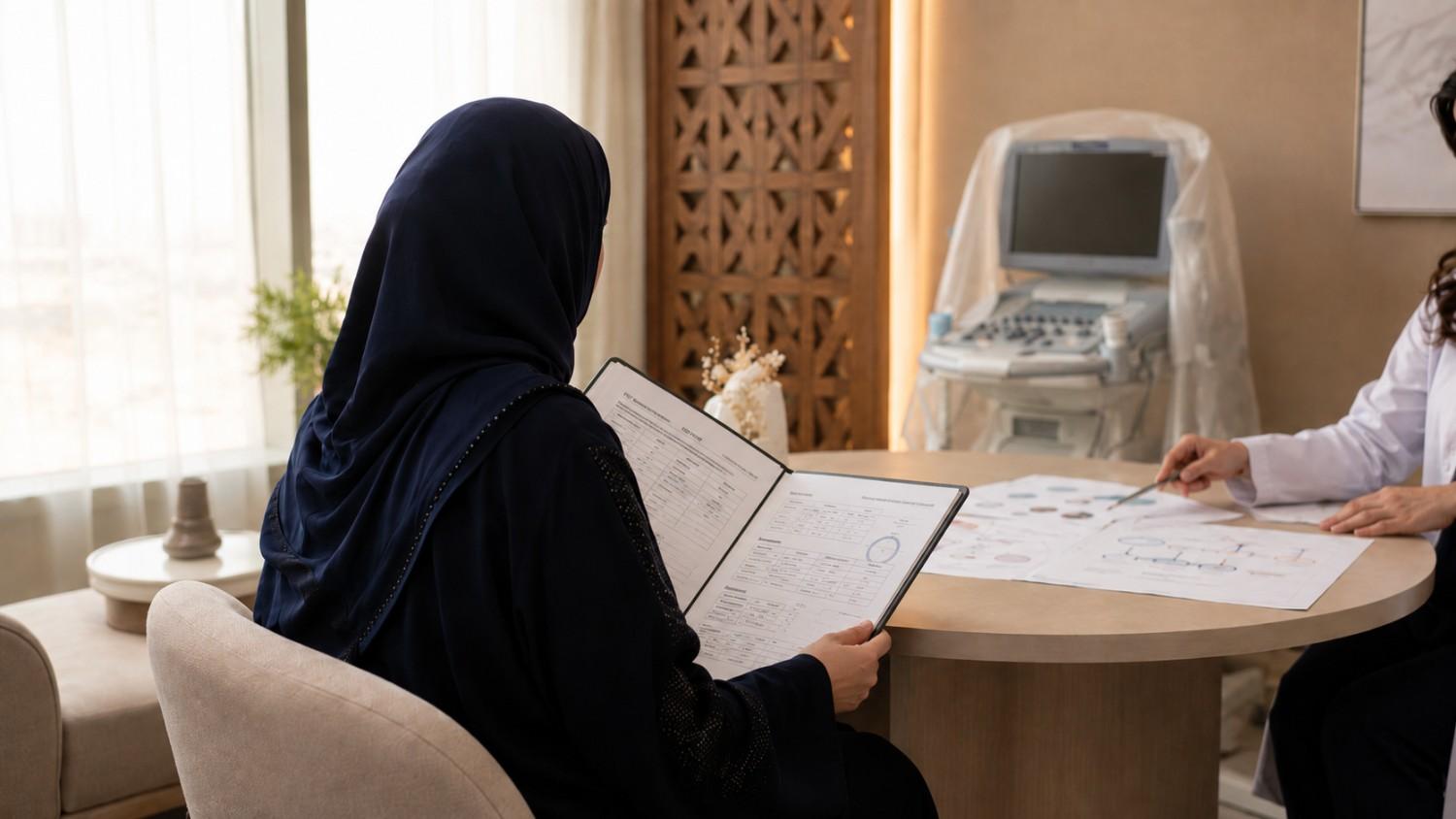
After receiving a negative result, many couples may have questions about what comes next. A follow-up consultation with your fertility specialist allows you to review the cycle in detail and understand the factors that may have influenced the outcome.
Rather than focusing solely on the outcome, the discussion looks at every stage of treatment to understand what was learned. During this appointment, your doctor may discuss:
This review forms the basis of any future treatment recommendations.
Not everyone needs more tests after one unsuccessful IVF cycle.
Any recommended investigations will depend on your personal fertility history, age, previous treatment outcomes, and medical background. Depending on your individual circumstances, your specialist may consider options such as:
Your fertility team can explain which tests may be relevant and how they could influence your treatment plan.
Experiencing a negative result after a failed IVF cycle can be emotionally difficult. Some couples may want to continue treatment quickly, while others may need time to recover physically and emotionally before deciding what comes next.
Before starting again, it can be helpful to discuss:
There is no single approach that works for every couple. The next step should be based on your individual circumstances and discussions with your fertility specialist.
The timing depends on your individual circumstances.
Some women are medically able to begin another IVF cycle after their next menstrual period, while others may be advised to wait longer if further investigations are planned or additional recovery time would be beneficial.
There is no evidence that delaying treatment for a short period reduces future IVF success.
Your fertility specialist can recommend a suitable timeline based on your health and treatment history.
A cycle that does not result in pregnancy can be emotionally challenging. Feelings of sadness, frustration, or uncertainty are common, and it is important to give yourself space to process the experience.
Support may help during this stage. This can include:
Looking after your emotional wellbeing is an important part of fertility care, not an optional extra.
Although an unsuccessful IVF cycle can be deeply disappointing, it can also provide valuable answers about the best way forward.
Each treatment cycle provides important clinical information that helps your fertility specialist refine future care. Whether that means adjusting medications, considering additional investigations or simply trying again with greater understanding, the goal is always the same: giving you the best possible chance of achieving a healthy pregnancy.
At Child Fertility, our specialists provide personalised fertility care, from IVF treatment and investigations to ongoing support throughout your journey. If you would like to discuss your treatment experience or understand your available options, a consultation with our team can help you explore the next steps.

2022 Rola is Proudly Powered by HiBootstrap