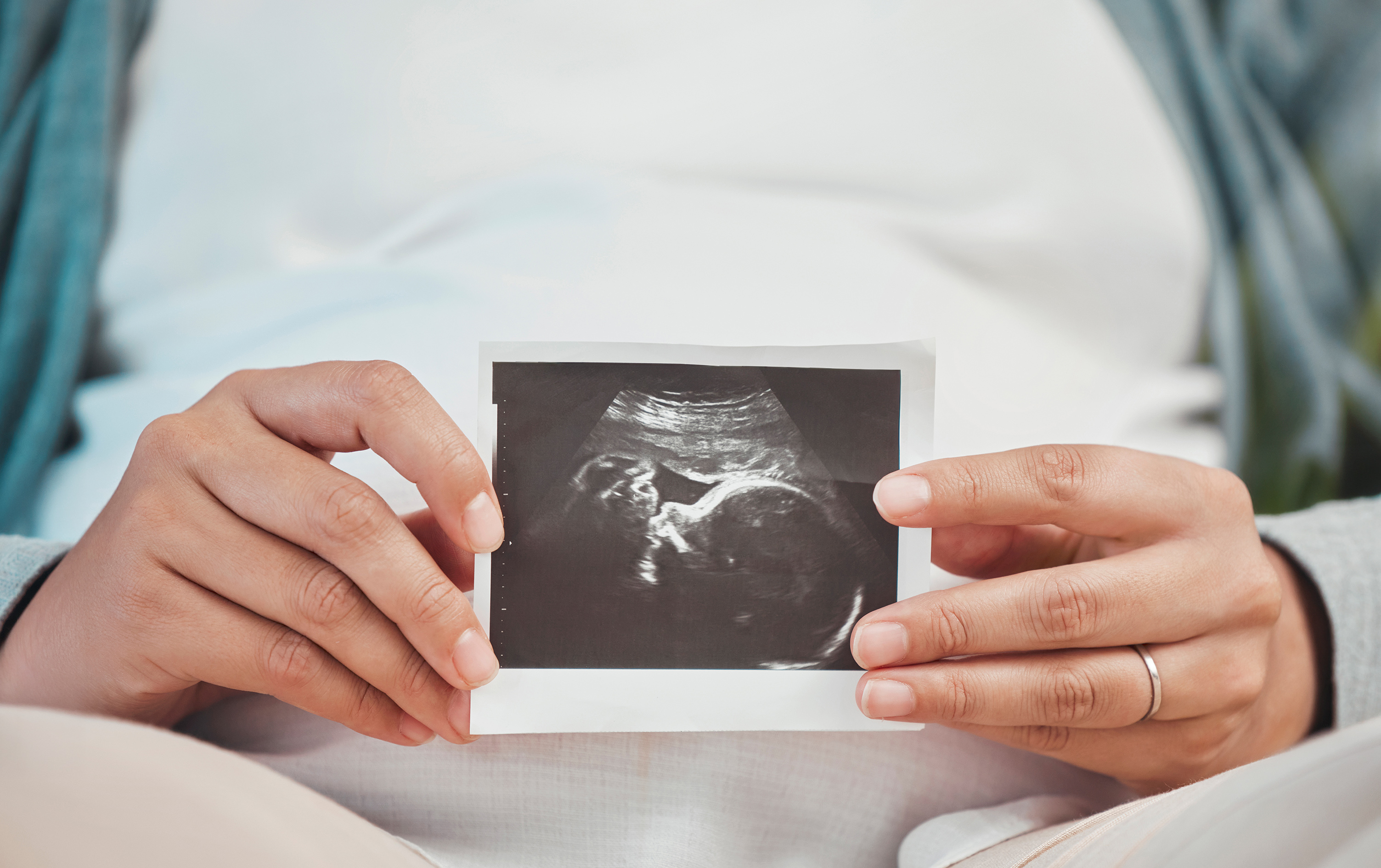
Endometrial thickness is one of several factors that can influence IVF success, particularly at the time of embryo transfer, when the uterine lining plays a key role in implantation.
Research suggests that implantation rates are generally higher when the endometrium reaches an adequate thickness and shows a receptive pattern on ultrasound. However, there is no absolute cut-off that guarantees success or prevents pregnancy.
Some women with thinner linings still achieve successful implantation, especially when embryo quality is strong and other aspects of fertility health are favourable.
In IVF, your specialist will assess endometrial thickness alongside:
- Embryo quality and development stage
- Hormonal response during the cycle
- Uterine structure and blood flow
- Overall reproductive health
If the lining is not optimal, treatment plans may be adjusted before embryo transfer. This could include delaying transfer, modifying hormone support, or changing the stimulation approach in a future cycle.
Ultimately, IVF success is influenced by the interaction between embryo quality and endometrial receptivity. A thin endometrium is a factor to consider, but not a standalone predictor of outcome.
At Child Fertility, we take a personalised approach to ensure both the embryo and the uterine environment are optimised together to support the best possible chance of pregnancy.